
Confidence and social support linked to healthier diets
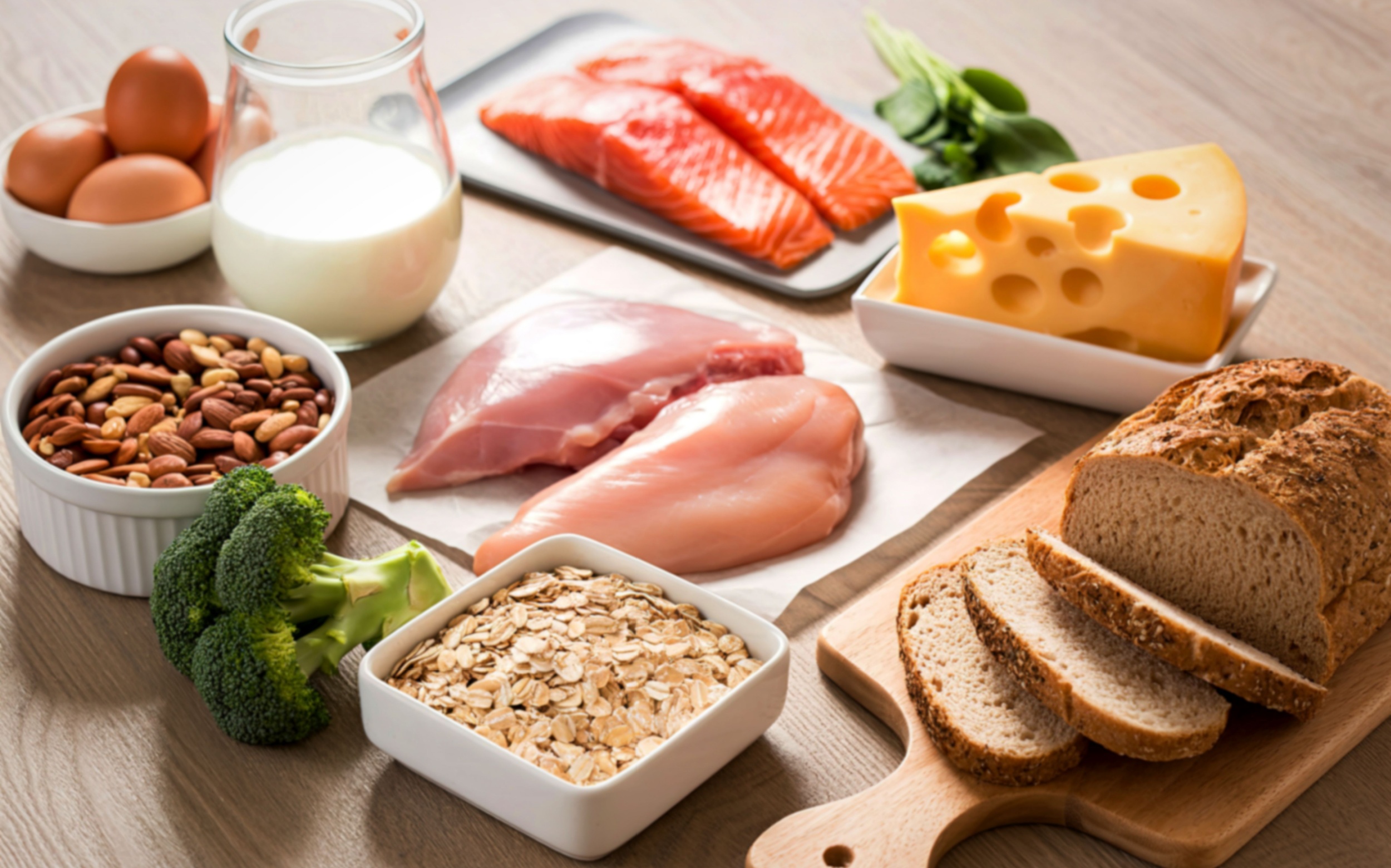
Eating healthier in rural communities may depend on more than what’s available at the nearest grocery store.
New research suggests that people who feel motivated, confident, and supported in their food choices tend to eat better overall – even when income, distance to stores, and other barriers vary widely.

In a large survey of rural adults, those who reported stronger encouragement from family and greater confidence in planning meals consistently consumed more fruits, vegetables, and fiber while relying less on ultraprocessed foods.
The pattern points to something simple but powerful: daily habits often grow out of encouragement, shared meals, and the belief that healthy choices are actually manageable.
Survey links support and diets
Survey responses from 2,420 adults living in rural towns and micropolitan communities in New York and Texas formed the evidence base for the findings.
By examining those responses, Rebecca Seguin-Fowler at Texas A&M University documented a clear alignment between psychosocial strength and healthier eating patterns across both states.
Higher motivation and confidence tracked with greater fruit, vegetable, and fiber intake, while weaker support coincided with heavier reliance on packaged foods.
Because access and income varied widely across the same communities, the pattern points toward influences that food availability alone cannot explain, setting up the need for closer examination.
Motivation, confidence, and social support
Psychology showed up in the data through psychosocial factors – feelings and social ties that guide behavior.
Motivation pushes a person to value healthy food, while confidence helps them stick with that choice when routines break. In the study, a one-point rise in either measure linked to more than half a cup of extra produce each day.
Support from others mattered as well. Family meals and friendly nudges counted, because the survey captured how often people ate healthy foods with others. Encouragement can make a hard choice feel normal, and shared shopping or cooking can lower the mental load.
Support from family tracked with fewer packaged foods, while support from friends showed a stronger connection to fruit and vegetable intake.
That split hints that lasting change may often begin at home, even as broader social networks reinforce healthier habits.
Programs that teach planning skills and small wins could strengthen both confidence and support, though they still need affordable food options nearby to work effectively.
Stores influence healthy food choices
Perceptions of the local food environment mattered too, especially when people judged whether fresh produce was easy to buy.
Better access means more than distance, since quality and selection steer shoppers toward fruits and vegetables they will actually eat.
Higher ratings for fresh fruit and vegetable availability matched higher produce and fiber intake, while stronger shopping values matched better diet quality.
Community fixes like stocking basics can pair well with skills that help families spot bargains without defaulting to packaged foods.
What diets actually looked like
Average intake landed at 2.6 cups of fruits and vegetables a day, still below targets in national dietary guidelines.
Fiber intake averaged 15 grams daily – a nutrient that slows sugar absorption and feeds gut bacteria linked to lower inflammation. Overall diet quality in the group averaged just 1.5 out of 5 points, closely matching national patterns.
A 2021 analysis of two long-running U.S. cohorts found that mortality benefits leveled off at about five daily servings of fruits and vegetables, suggesting that even modest increases could bring meaningful health gains.
Researchers also tracked intake of ultra-processed foods, including packaged snacks and ready-to-heat meals made with refined ingredients and additives.
Reported consumption averaged about 1.5 times per day, foods that can crowd out fruits, vegetables, and whole grains.
Cutting back on these items often depends on time, money, and confidence, since ultraprocessed foods frequently win on convenience and price, especially for households balancing tight schedules and budgets.
Budgets shape food choices
Hard budgets showed up clearly, with about half of households earning under $50,000 per year.
Nearly 40 percent reported food insecurity, not always having reliable access to enough food, which can force cheaper choices at checkout.
Only 18 percent said they used the Supplemental Nutrition Assistance Program, so many people facing shortages may not have extra help.
Any plan that builds motivation or cooking skills will struggle if families cannot count on steady groceries week-to-week.
What researchers still need
Because the team looked at one moment in time, the design was cross-sectional, a snapshot that cannot prove cause and effect.
Data came from online questionnaires completed in 2022-23, and TAMU’s review board approved the project, so answers depended on memory and honesty.
Ultraprocessed intake may have looked lower than reality, since the survey counted only certain foods and missed others.
Following the same people over time can let TAMU test whether confidence and support rise first, then diet follows.
Support systems and food access
Training that builds cooking skills can also build confidence, while group activities can create support networks that last long after classes end.
“Rural adults face elevated risks for diet-related health conditions, yet nutrition behaviors in these communities are shaped by more than just access to food,” said Seguin-Fowler.
Together, the findings suggest that nutrition efforts should strengthen confidence and social support while also improving store options, especially in rural, lower-income communities.
Future studies will need to determine whether expanding support systems or improving retail food access first leads to measurable dietary changes, helping programs pair healthy food availability with practical skills and sustained community backing.
The study is published in the Journal of Nutrition Education and Behavior.
—–
Like what you read? Subscribe to our newsletter for engaging articles, exclusive content, and the latest updates.
Check us out on EarthSnap, a free app brought to you by Eric Ralls and Earth.com.
—–
link