More and more people with unusual diseases are diagnosed
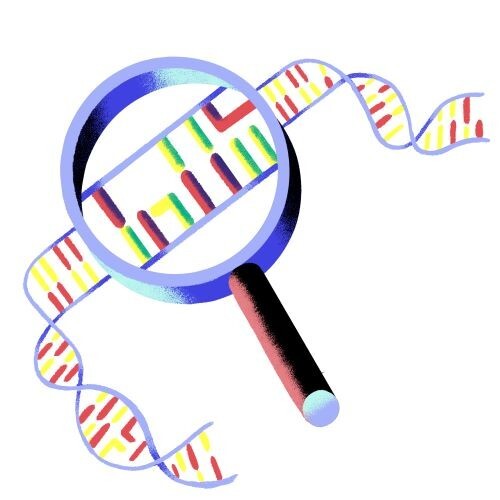
Image:
Caption:
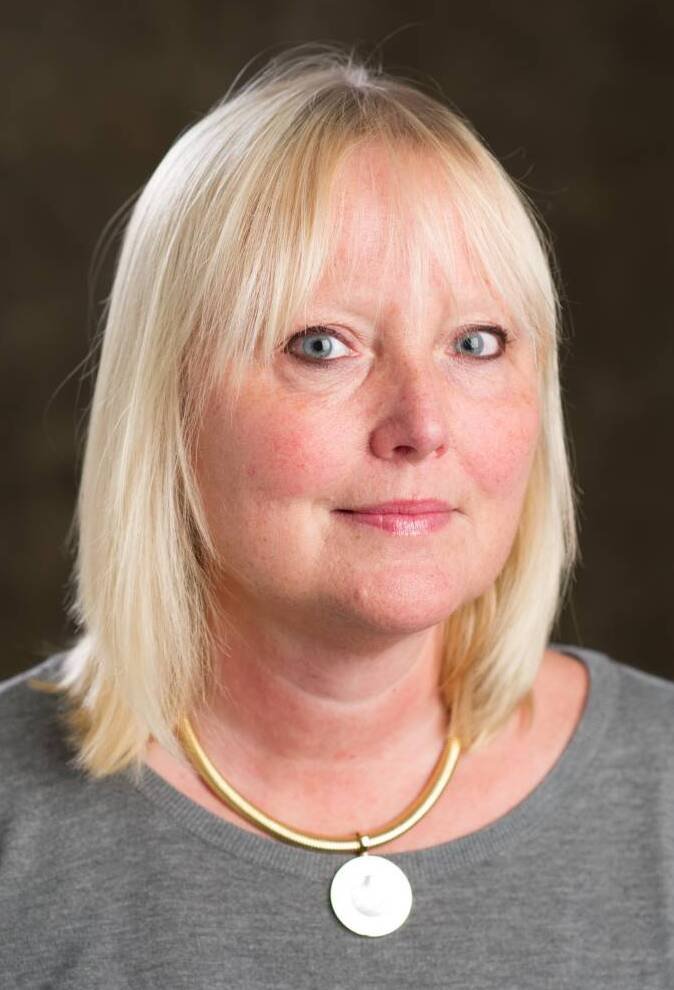
Anna Nordgren. Photo: Ulf Sirborn.
“The Cederroths have done something very important in bringing us researchers together,” says Ann Nordgren.
Ann Nordgren’s specialist field is syndromes, malformations and developmental disorders. She explains that new genetic diagnostic tools have in one swoop improved the level of understanding and insight regarding patients in her field. She takes children with developmental disorders as an example. Children who do not develop normally have previously been lumped together under the umbrella concept of developmental disorder. A few clear and known diagnoses have been established, such as Down’s syndrome, but most have been unclear. However, this has now changed radically.
“Today, there are about 1,000 known genetic causes behind developmental disorders. All are unique and very few are linked to complications during childbirth. The most common cause is a genetic aberration,” says Ann Nordgren.
And the list of genetic causes of rare diagnoses is constantly growing, she says.
“In 1959, we knew of one genetic cause, Down’s syndrome, now the molecular cause is known for well over 5,000 diagnoses. Every week new diagnoses are established,” she says.
The finding of new molecular causes behind rare diagnoses does not mean that they can automatically be treated with drugs. However, understanding the genetic background of a disease is a prerequisite for being able to start work on finding a specific treatment against it, and there is much else that can be done thanks to knowing the cause and gathering knowledge about symptoms and prognoses.
“Treatment need not always be a medicine – it can also be prevention and care,” says Ann Nordgren.
She talks about syndromes with cancer predisposition where a correct diagnosis can lead to tailored surveillance programs and thereby save lives and about patients with Williams syndrome who, among other things, have a lot of anxiety due to their illness. For example, going to the dentist can be experienced as a real nightmare for them. The parents can then go through the process with them in detail before the dentist’s visit so that they feel calmer. In the case of another rare disease, a secondary symptom in some cases is a heart defect. After a diagnosis has been made, the doctors immediately look for the heart defect and can correct it if found.
Many of Ann Nordgren’s patients are young children and it is also very common for the parents to worry about whether they should dare to have more children. Will the genetic mutation also be inherited by the next child? If the genetic background of the disease is known, she can sometimes put the parents’ minds at rest with information that there is no increased risk for the next child, or if there is, she can offer prenatal diagnosis for the next pregnancy. With a known mutation, it is possible to offer pre-implantation genetic diagnosis. This involves in vitro fertilisation followed by an analysis of the embryo before being inserted into the uterus, to be sure that the mutation has not been passed on.
A slightly different situation is faced by Anna Wedell, who specialises in inherited metabolic diseases. These diseases are often possible to treat once you find them and understand what is wrong.
“Sometimes it involves dietary treatment, you can add or subtract something, and the treatment can also involve enzymes or drugs,” she says.
Because many patients are treatable, it is particularly important to establish a quick and effective diagnosis.
“It can be an acutely sick child lying in neonatal intensive care where you take a lot of samples and must understand the biochemistry and the neurobiology behind the condition,” says Anna Wedell.
A quick answer is naturally the most important thing for the patient in question, but it also has significance for the research which can progress in its understanding of how the body works.
link