Spending More Time In Gym Can Cause Bone Burnout; Here’s Everything You Need To Know
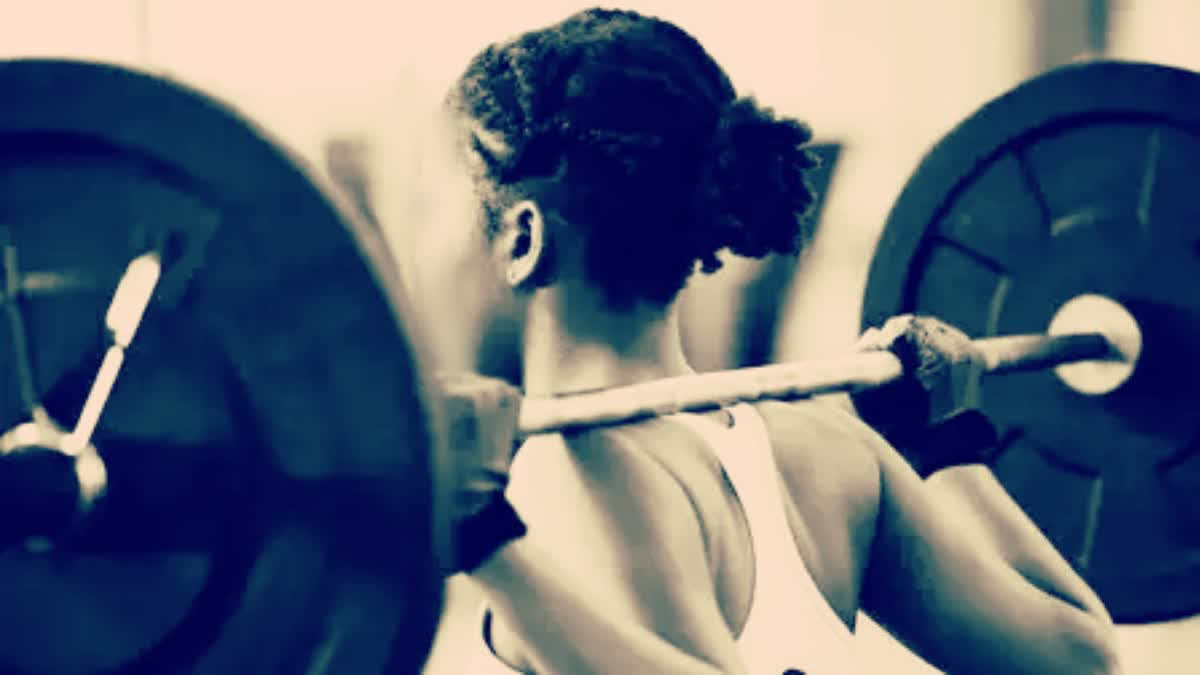
In the last few years, gym culture has become synonymous with urban living, and many young adults are beginning to emphasize strength training, weight training and high-endurance style workouts with a focus on high momentum. While engagement in movement is incredibly important when maintaining healthy bones and joints, motivation for consistency and intensity of exercise can only be positive when within reason. However, this consumption of the feeling of accomplishment can backfire!
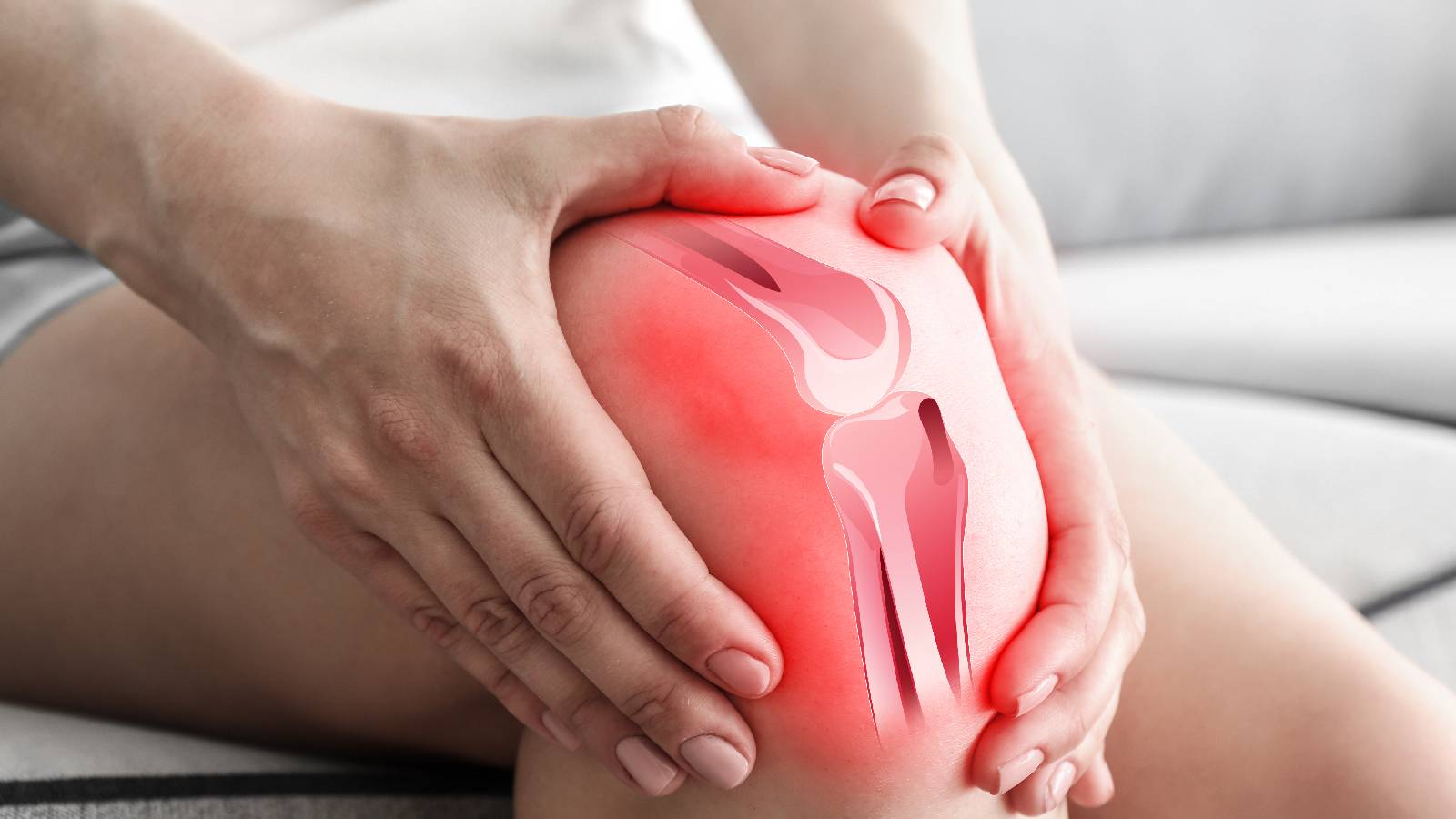
“Joints and bones can become overloaded when a person who, traditionally is in their 20s or 30s, exercise beyond their threshold and leads to what experts refer to as bone burnout,” says Dr Rakesh Rajput, HOD & Director, Orthopedics at CMRI Kolkata. While there isn’t a formal diagnosis for bone burnout, Dr Rajput says bone burnout is the accelerated wear and tear of bone and joints symmetrically, “which induces continued joint problems of debilitating pain, stiffness and even early-onset arthritis.”
Why Are Young Adults Prone to Bone Burnout?
Young adults often stress their bones and joints harder than older adults often without realising the long-lasting effects this will have on joints. They typically spend an excessive amount of time weight training without adequate warm up. Most people practice postures that are not right. Many ignore early signs of cartilage degradation like knee pain or back pain, which can compromise cartilage at a faster than normal rate. “This is similar to the European elite athlete populations. It can lead to meniscus tears at a rapid and alarming rate, which means a 20-30 year old may have premature arthritis like osteoarthritis,” says Dr Rajput.
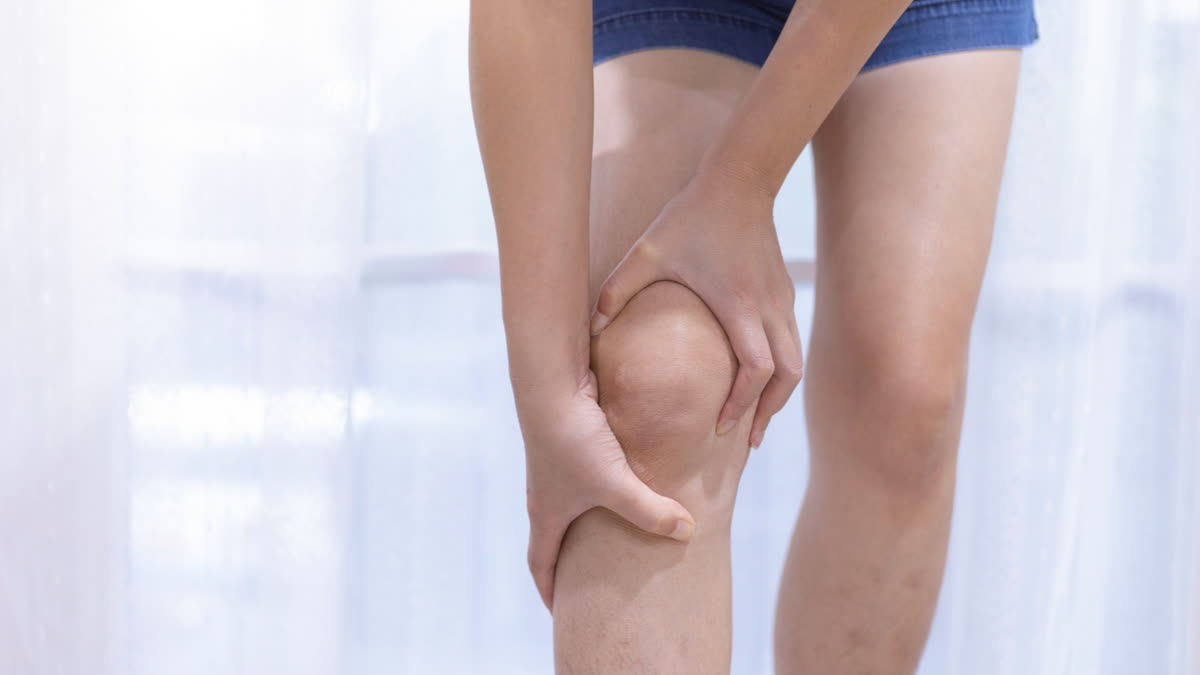
Joints and bones can become overloaded when a person who, traditionally is in their 20s or 30s, exercise beyond their threshold (Representational Image) (Getty Images)
Treatment options
Prevention is always better to let not the challenge arise at first place. Dr Rajput says some lifestyle changes, physiotherapy, and preventative care are the first line of management for severe cases. “But there are disruptive innovations that are changing treatment options for serious cases,” confirms the doctor. He shares robotic-assisted surgery for knee surgeries is one innovation that can provide results that have much greater accuracy, smaller incisions and faster recovery times than traditional surgery.
“For younger patients with isolated disease, partial knee replacement or joint resurfacing can provide pain relief and mobility while removing less of the natural joint, which can provide years before total knee replacement is required,” explains the Orthopedist.
Prevention is Better Than Cure
Fortunately, bone burnout is preventable. Dr ajput suggests preventive measures:
- Engage in a balanced exercise schedule
- Include strength, flexibility, and rest training
- Wear appropriate footwear
- Take adequate calcium and vitamin D
“Be responsive to your body’s warning signs can help. And when pain persists, it is important to get an early consult with a knowledgeable orthopedic specialist for a definitive diagnosis instead of masking symptoms with pain medication,” suggests the expert.
Read More:
- What Is That Curious Crackling Sound Coming From Your Knees? Find Out What It’s Called And The Nine Most Likely Suspects Behind It
- Best Yoga Poses For Back Pain And Spinal Health Which Are Easy To Practice At Home
- Explained: What Is Chronic Interventional Pain And Spine Pain Management? Here’s Everything You Need To Know
link