Top Therapies for a Successful Season

What joint therapy (if any!) is right for your horse?

With the summer show season just around the corner, now is the time to start preparing your horses for success. However, diving into intense training can take a toll on your horses’ joints, potentially leading to issues right when you need them performing their best.
In this article we’ll learn how common joint issues, primarily osteoarthritis (OA), concern owners of competitive horses. Then we’ll look at preventive and therapeutic approaches to manage this chronic, invariably progressive performance-limiting condition.
Why Focus on Equine Joint Health?
Results from several recent studies reveal that many horse owners view musculoskeletal conditions as a major health concern. For example, in one survey of 246 horse owners, researchers found that 29.2% of survey respondents listed stiffness and reduced leg/joint flexibility as a major concern (Herbst et al., 2024). Osteoarthritis was the most common owner-reported, veterinary-diagnosed medical condition, occurring in 32.6% of horses owned by survey respondents. That survey included horses 15 years or older actively involved in low-, medium-, and even high-level (international) competition.
Another research group conducted an online survey of 1,677 owners of British eventing horses about lameness and illness (Tranquille et al., 2024). Of those, 26% relayed having a lameness/musculoskeletal issue in the previous six months, with joints being the second most frequent source of the lameness (382 horses). The most commonly affected joints included the tarsus (hock), stifle, forelimb distal interphalangeal (coffin) joint, metacarpophalangeal (forelimb fetlock) joint, and the carpus (knee).
Joint issues disrupt training and competition. In the Tranquille et al. survey, owners reported that horses with fetlock and hock injuries were off work for about two weeks. Stifle and coffin joint problems often required layups of up to six months.
Preventing OA, Slowing Progression for Equine Joint Health
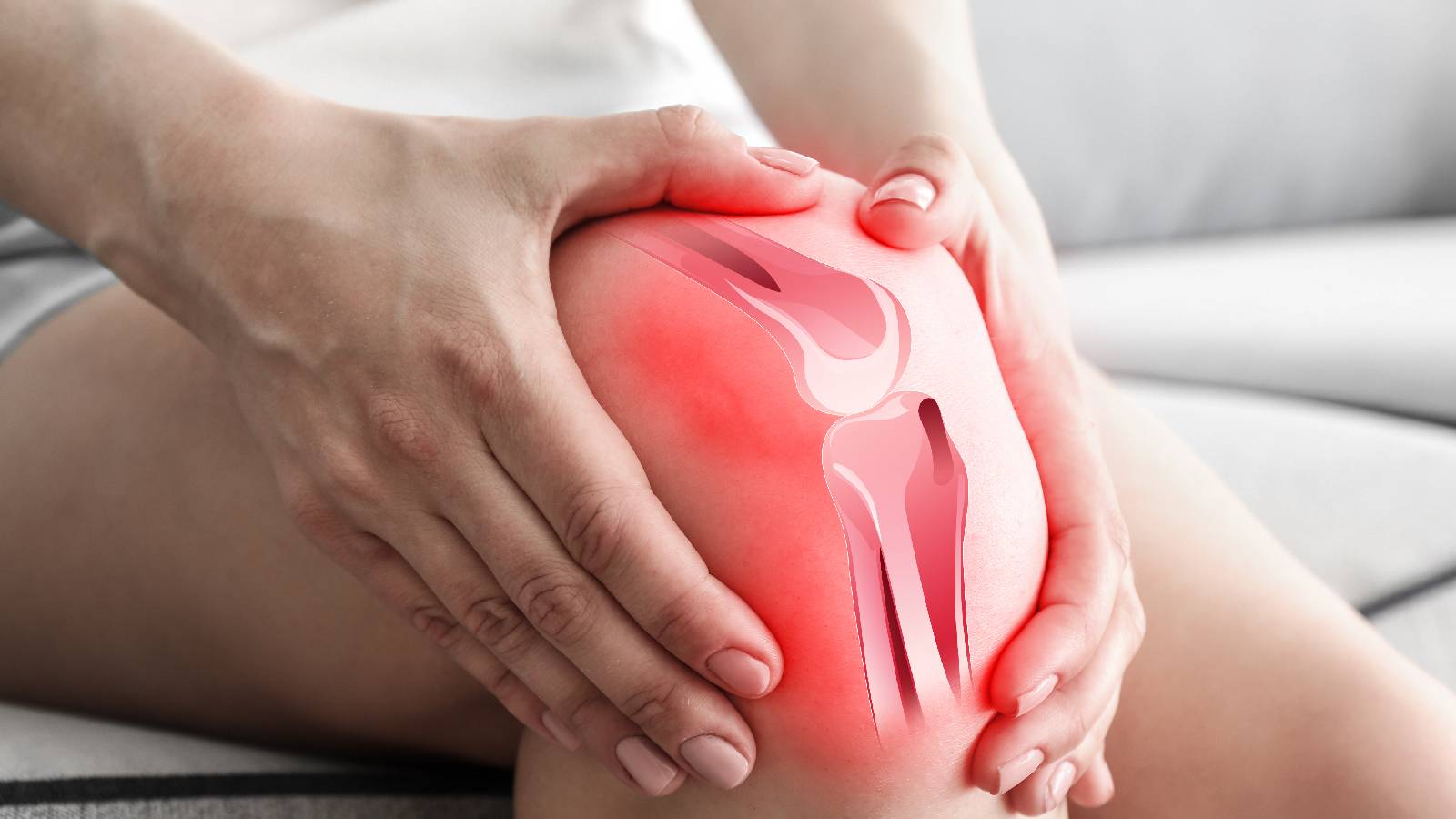
Osteoarthritis often begins with low- to medium-grade inflammation (i.e., synovitis or inflammation of the joint’s inner lining) where there might not be any cartilage or bone changes.
“But if left unchecked, this condition can progress, affecting other tissues in the joint, including the cartilage lining the ends of bones inside joints and the layer of bone directly under the cartilage called the subchondral bone,” explains Laurie Goodrich, DVM, PhD, Dipl. ACVS, professor of surgery and lameness at Colorado State University’s (CSU) Johnson Family Equine Hospital and director of the Orthopaedic Research Center, in Fort Collins. “As OA advances, the cartilage and subchondral bone lose their ability to support the necessary mechanical forces that are required of them.”
“Ultimately, OA permanently changes the joint environment where cartilage is thinned or lost, the bone underneath it becomes thickened (sclerotic), the joint capsule loses its pliability, and the joint becomes stiff. These are all characteristics of career-limiting OA,” says Goodrich.
No cure exists for OA, which means vets focus on prevention and slowing progression to maintain joint comfort and athleticism.
Potential ways of preventing OA include:
- Maintaining an appropriate body condition score (BCS). Excess condition and body weight can hasten the incidence of arthritis development, as has been observed in dogs and humans (Pratt-Phillips and Munjizun, 2023).
- Prophylactically administering joint supplements in healthy horses before joint trauma, inflammation, and evidence of OA (van de Water, 2016, and Leatherwood, 2016). However, not all joint supplements are backed by scientific evidence, so it’s best to discuss your options with your veterinarian.
- Focusing on proper training and conditioning while avoiding overtraining. “Muscles, tendons, and ligaments are critical for supporting joints and need to be conditioned to do the job that is expected of them—just like human athletes,” says Kyla Ortved, DVM, PhD, Dipl. ACVS, ACVSMR, associate professor of large animal surgery at the University of Pennsylvania’s New Bolton Center, in Kennett Square.
- Making sure athletes are shod to their conformation and properly supported.
Treating OA? Diagnostics First
When preventive measures can no longer maintain joint comfort, owners have various treatment options at their disposal. However, an accurate diagnosis of joint discomfort is needed; otherwise, the horse will not respond as expected to therapies, including intra-articular (IA) medications. In turn, this can delay return to work/competition or lead to continued poor performance.

In a standard lameness exam your veterinarian will watch the horse walk and trot and will perform flexion tests and diagnostic analgesia (joint blocks with a local anesthetic such as lidocaine) to try to identify the painful joint(s). Radiographs (X rays) can reveal pathology—disease or damage—including conditions such as osteochondritis dissecans (OCD) and intra-articular fractures that can lead to OA.
“Radiographic changes associated with OA can be seen in more advanced cases where bony reaction or loss of cartilage has already occurred,” explains Ortved.
In cases of early OA, however, advanced imaging, such as computed tomography, MRI, and positron emission tomography (PET) can be very useful, she adds.
After diagnosing OA and ruling out other issues, it’s time to consider treatment if preventive measures fall short.
Choosing the Right Intra-Articular Therapy for Equine Joint Health
The tried-and-true often first-line intra-articular medications that many owners would be familiar with for OA are corticosteroids, such as triamcinolone. Appealing features of corticosteroids include their low cost and widespread immediate availability. While these medications effectively reduce inflammation and discomfort, they do come with some drawbacks.
“First, depending on the corticosteroid and the frequency of usage, corticosteroids may negatively affect cartilage metabolism, ultimately hastening cartilage degeneration and worsening osteoarthritis over time,” says Goodrich.
Second, even corticosteroids administered within a joint can have systemic effects. Page et al. (2024) reported that a 9-milligram dose of intra-articular triamcinolone results in abnormal findings for the thyrotropin-releasing hormone test used for diagnosing pituitary pars intermedia dysfunction (PPID, aka equine Cushing’s disease) as well as the oral sugar test used for diagnosing insulin dysregulation. The IA triamcinolone also results in increased circulating levels of glucose and insulin, which could predispose horses to laminitis. Hallowell et al. (2024) also reported systemic effects of intrasynovial triamcinolone.
Third, corticosteroids simply control clinical signs associated with OA and do not play any role in modifying the course of disease/slowing disease progression. For this reason researchers such as Ortved and Goodrich direct their attention toward regenerative therapies, also called orthobiologics. These are treatments derived from biological substances to treat musculoskeletal conditions.
IA Corticosteroid Alternatives for Equine Joint Health
ACS
Autologous conditioned serum (ACS) is an orthobiologic created by collecting a blood sample from the patient and using a commercial kit to produce interleukin-1 receptor antagonist protein (IRAP, produced by incubating the blood with special beads) and other anti-inflammatory molecules. The IRAP blocks interleukin-1, a powerful and damaging pro-inflammatory mediator. The incubation process also stimulates the production of anti-inflammatory mediators and growth factors similar to those found in platelet-reduced plasma (PRP, more on this a moment). The vet then injects this “conditioned” serum into the target joint to inhibit inflammation.
In terms of efficacy, Tommasa et al. (2023) relayed in a systematic review of the literature that while most studies on ACS support this joint therapy for OA without significant adverse effects, some studies were poorly designed (e.g., lacked a control group). The researchers concluded that a “more rigorous approach to validate the efficacy of ACS in OA treatment” is needed.
Ortved did point out several studies, however, in which authors reported a good therapeutic effect, such as Frisbie et al. (2007) and Lasarzik et al. (2018).
APS
Like ACS, autologous protein solution (APS) is rich in growth factors and anti-inflammatory proteins.
In Ortved’s most recent study on APS (Usimaki et al., 2024), the research team created synovitis using interleukin-1β in one hock joint each of 18 horses. Twenty-four hours later they treated 12 joints with APS and left six untreated (control group). Although they did not report any changes in lameness or joint circumference (a measure of joint effusion/inflammation), they noted a significant improvement in gross joint appearance and the microscopic structure of joint synovial lining, suggesting APS has a disease-modifying effect on OA.
In Ortved’s hands, APS is more popular because it does not need to be incubated overnight like ACS does. Veterinarians also usually repeat ACS injections once weekly for a total of four doses, which in Ortved’s hospital setting is not easily accomplished.
Still, “I know many veterinarians that use ACS in the field and really like it,” she says.
At CSU, Goodrich and Erin Contino, DVM, Dipl. ACVSMR, are leading a large ongoing clinical trial to compare the therapeutic results of APS to those of corticosteroids in the stifle joint.
Platelet-Rich Plasma
Vets produce PRP by collecting and centrifuging a blood sample using a commercial system, then injecting platelets intra-articularly. The platelets, when activated, release growth factors and a number of other proteins.
In a recent review of five studies on PRP treatment for OA, researchers reported a “significant improvement in the PRP products treatment group compared with the control group.” Thus, Peng et al. (2024) concluded, “PRP products as intra-articular treatment are likely efficacious for treatment of equine OA,” but more blinded and randomized trials are needed.
Stem Cells
After collecting autologous (originating from the patient) or allogeneic (from another horse) stem cells from bone marrow or adipose tissue, the vet processes and injects these cells directly into joints, where they exert anti-inflammatory and immune-modulating properties and recruit other stem cells within the joint to facilitate healing.
Systemic, Other Therapies
Veterinarians still recommend nonorthobiologics such as intramuscular polysulfated glycosaminoglycan. This has been described to help restore the steady state between production and destruction of cartilage components, helping keep things on the right path in horses with early signs of joint inflammation or OA. They also prescribe hyaluronic acid (HA, the body’s natural joint lubricant) joint therapy, injecting hyaluronate sodium intravenously or IA to promote cartilage health and joint lubrication and reduce inflammation.
Polyacrylamide Hydrogels
Available commercially as 2.5% or 4% products, polyacrylamide hydrogels are the newest additions to the IA arthritis armamentarium. The Food and Drug Administration says hydrogels are not orthobiologics but, rather, “medical devices.” The suggested mechanism of action for the 2.5% product is that the hydrogel integrates into the joint’s synovial lining and changes the cellular properties with an increase in macrophages—white blood cells that surround and kill microorganisms, remove dead cells, and stimulate the action of other immune system cells—that can be anti-inflammatory (Lowe et al., 2024).
“It is also possible that the integration leads to changes in the elasticity of the synovial membrane, improving biomechanics in the joint. This property is currently being studied,” says Ortved.
In a study by McClure et al. (2024), the 4% hydrogel reportedly provided long-term joint lubrication with no adverse effects noted after serial injections once every 45 days for a total of four injections.
De Clifford and co-authors provided data supporting hydrogel use for lameness in 2021. That group reported the 2.5% hydrogel “led to statistically superior results compared to triamcinolone and HA in the management of selected middle carpal joint lameness in flat-racing Thoroughbreds, with therapeutic effects persisting up to 12 weeks.”
Take-Home Message
“In my opinion,” Ortved says, “orthobiologics should be used before corticosteroids if the situation is the right one … owners are willing to be a little patient to see an effect (i.e., several weeks) versus needing a change immediately, as can be seen with steroids.” Goodrich says she believes “the advantages of orthobiologics outweigh the increased cost (versus corticosteroids) because the approach is both anti-inflammatory as well as regenerative, and ultimately longevity of athletes’ joints is the goal.”
link